A guide to starting your podcast
By Marc-Antoine Dubé · March 5, 2025 · Starting your podcast
How to prepare your first podcast
We’re kicking off this blog series with defining your podcast and its identity.
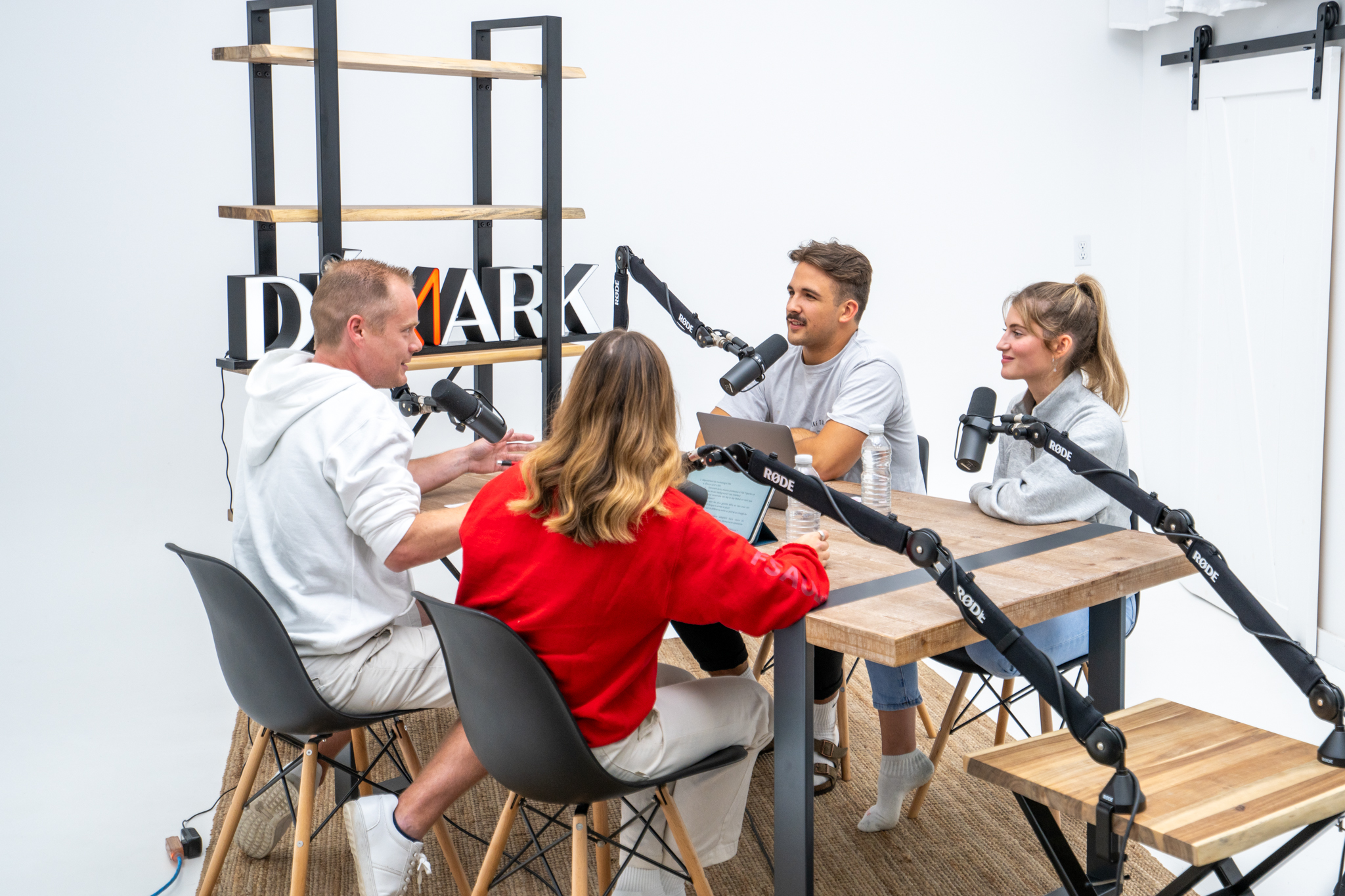
1. Define your podcast's goal
Before you turn on the mic, it’s essential to clarify the foundations of your podcast:
Main topic:
What central theme do you want to cover? Defining a clear, specific theme is crucial to attract and retain your audience.
Ask yourself the following questions: What is your area of expertise or passion? What type of content do you want to share (education, entertainment, storytelling, testimonials)?
Who is your target audience, and what are their needs or expectations?
Make sure your theme is broad enough to support a series of episodes, but specific enough to offer unique value. Study current trends and check out the competition to find a distinctive angle that will set you apart.
Added value:
What expertise or unique perspective do you bring to your audience?
To stand out in the world of podcasting, it’s essential to identify what makes your content unique.
Ask yourself these questions: What specialty or experience can enrich your podcast?
Do you have access to exclusive guests or new information?
Is your tone, your approach or the way you tell stories distinctive?
Also think about what your audience is looking for: do they want to be informed, inspired, entertained or educated?
By highlighting your authenticity and expertise, you’ll build a strong connection with your listeners and keep them coming back episode after episode.
Format:
Do you prefer interviews, monologues, group discussions or narration? Choosing a format is key to structuring your podcast and keeping your audience interested. Here are a few popular formats:
The monologue: Ideal for experts or storytellers, this format gives you full control over content and pacing.
The interview: One of the most popular formats, it brings variety and lets you invite experts or influential personalities.
The group discussion: Dynamic and engaging, it suits debates, comedy shows or conversations around a common topic.
Narrative/documentary: Used for immersive podcasts, this format alternates testimonials, music and sound effects to tell a captivating story.
The hybrid format: A mix of several styles, it lets you include a variety of segments to enrich the listening experience.
Episode length:
What length will best suit your content and your target audience? The ideal length depends on several factors, including your topic, your format and your audience’s listening habits. In general, podcasts run between 10 and 60 minutes, depending on the type of content:
Short episodes (10-20 minutes): Suited to educational podcasts, quick tips and daily formats.
Medium formats (20-40 minutes): Ideal for interviews, discussions and in-depth analysis.
Long episodes (40-60 minutes and more): Suited to narrative podcasts, documentaries and detailed discussions.
It’s important to consider your audience’s attention span and to keep your episode length consistent to build listener loyalty.

Ready to hit record?
Once your concept is clear, come record it in our podcast studio in Quebec City: multi-camera audio and video, with editing and clips. Want a set that looks like your brand? See our custom podcast sets. And to plan your budget, find out how much a podcast costs in Quebec City.

Author
Marc-Antoine Dubé • Founder, Votre Studio Créatif
A videographer specializing in storytelling with a bachelor’s degree in marketing, Marc-Antoine has worked in marketing since 2020 with LGDM. In 2022, he founded Votre Studio Créatif in Saint-Nicolas, 5 minutes from Quebec City, so businesses and creators can produce professional content without worrying about the technical side. With his team, he supports organizations like Centraide, Salvatoré and Acomba, from recording their podcast to creating clips for social media.
In short: bachelor’s degree in marketing. In marketing since 2020, founded the studio in 2022. More than 75 custom podcast sets created. Studio rated 5.0 ★ on Google.